Guides

Whitch Fire Extinguisher should i choose?

Types of Fire Extinguishers and Fire Classes: How to Choose the One You Actually Need

Fire extinguishers are a vital safety tool for homes, businesses, and vehicles—but not all extinguishers are the same. Using the wrong type of extinguisher on a fire can be ineffective, make the situation worse, or even be dangerous. In this article, we’ll explain the different types of fire extinguishers, their uses, and how to choose the right one for your needs.

Understanding Fire Classes

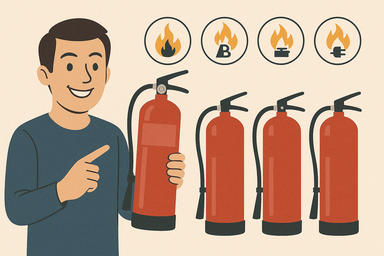
Fires are classified based on the materials that fuel them:

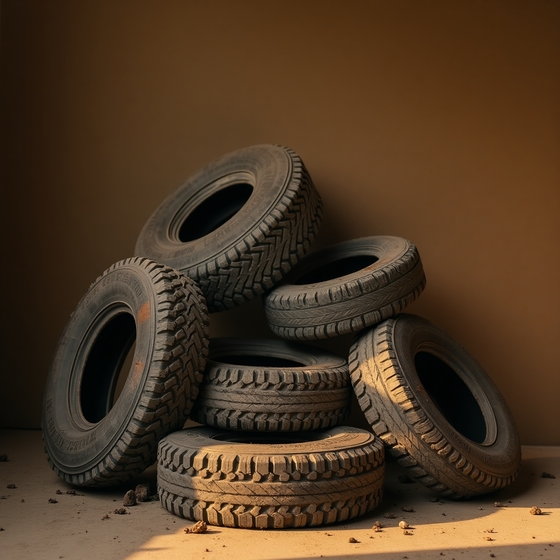
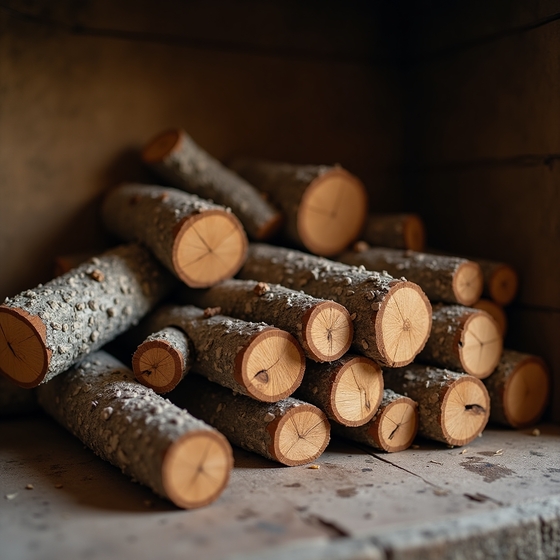
  • Class A – Fires involving common solid combustibles such as wood, paper, fabric, etc.


  • Class B – Fires fueled by flammable liquids like gasoline, diesel, etc. (excluding oils).


  • Class C – Fires caused by flammable gases such as propane, butane, and natural gas.


  • Class D – Fires involving combustible metals like magnesium, titanium, and aluminum.


  • Class F – Fires involving cooking oils and fats.


Each extinguisher also indicates whether it can be used in the presence of electrical current and up to how many volts.


Types of Fire Extinguishers and Their Uses

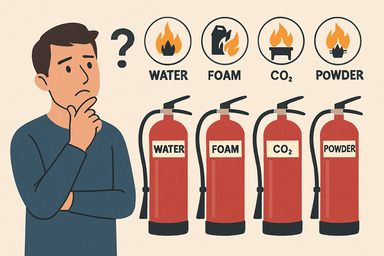
Each fire extinguisher type is designed for specific fire classes, which are clearly labeled on the unit. Choosing the right extinguisher ensures maximum effectiveness and safety.

1. Water Fire Extinguishers (Class A)

  • Suitable for: Solid combustibles (Class A).

  • How it works: Cools the fire, reducing its temperature below ignition point.

  • Do not use on: Flammable liquids (Class B), electrical fires (risk of electrocution), or oil fires (very dangerous).

2. Foam Fire Extinguishers (Class A & B)

  • Suitable for: Flammable liquids (Class B) and solid combustibles (Class A).

  • How it works: Forms a cooling foam barrier that cuts off oxygen and prevents re-ignition.

  • Do not use on: Cooking oil fires or electrical fires.

3. Dry Powder Fire Extinguishers (Class A, B & C)

  • Suitable for: Solid, liquid, and gas fuel fires, as well as fires with live electricity.

  • How it works: Releases a fine chemical powder that disrupts the fire’s chemical reaction.

  • Caution: Not suitable for oil fires. Use with care in enclosed spaces due to visibility and respiratory risks.

4. CO2 Fire Extinguishers (Class B & C)

  • Suitable for: Electrical equipment fires, flammable liquids, and gas fires.

  • How it works: Displaces oxygen, suffocating the fire and preventing further combustion.

  • Do not use on: Cooking oil fires or Class A (solids) fires.

5. Class D Fire Extinguishers (Combustible Metals)

  • Suitable for: Fires involving combustible metals such as magnesium and titanium.

  • How it works: Contains a dry powder that smothers the fire and creates a protective barrier.

  • Do not use on: Fires outside Class D.

6. Wet Chemical Fire Extinguishers (Class F & A)

  • Suitable for: Kitchen fires involving cooking oils and fats.

  • How it works: Releases a chemical mist that cools the fire and forms a barrier to prevent re-ignition.

  • Do not use on: Gas fires (Class C) or electrical fires unless specified otherwise.

7. Firexo Extinguishers

  • Suitable for: All fire classes.

  • How it works: Contains a liquid solution that breaks the fire’s chemical reaction while cooling it down.

  • Do not use on: None—suitable for every fire class.


Conclusion

Choosing the right fire extinguisher is essential for your safety. Whether for home, professional, or industrial use, having the correct extinguisher can prevent small fires from turning into major disasters. In the next article , we will explore the advantages and disadvantages of each type of extinguisher. Regular maintenance and proper training further enhance fire safety and readiness. Be proactive and make sure your space is equipped with the right extinguisher today!

Leave a Reply

Your email address will not be published. Required fields are marked *